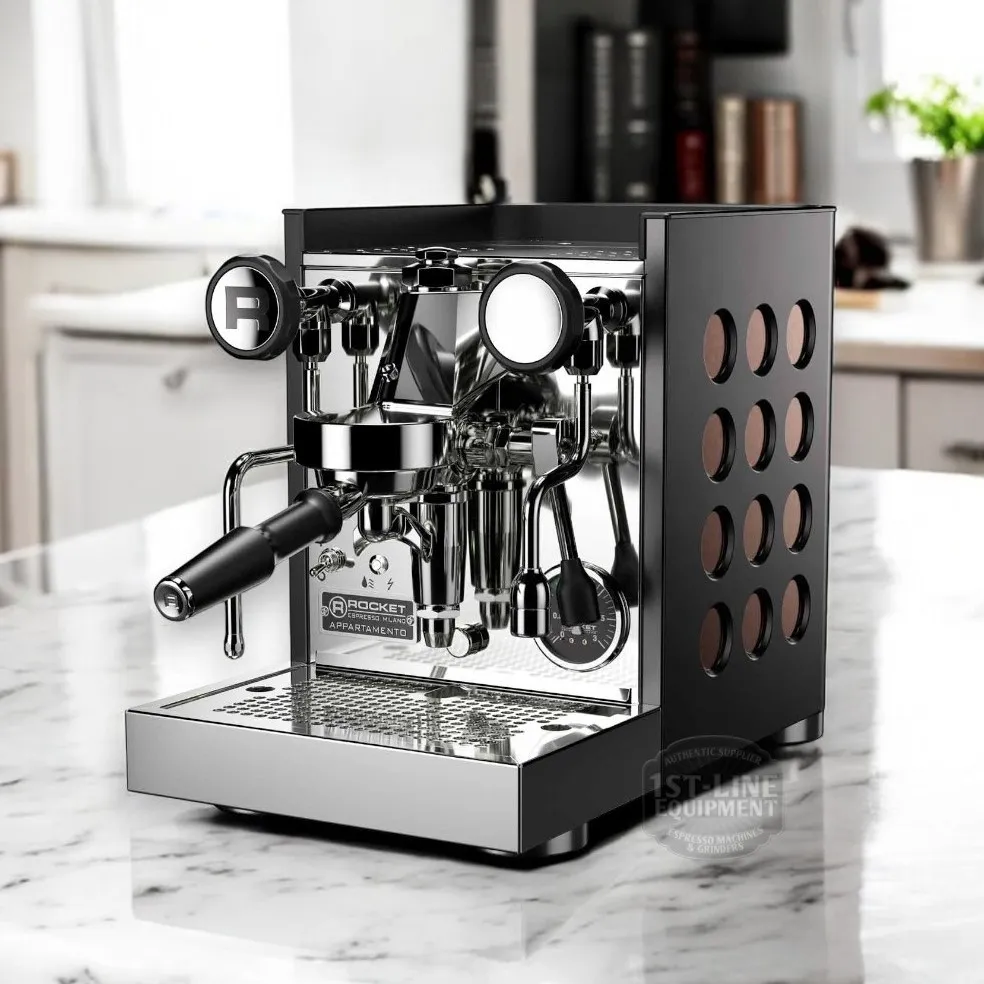
Rocket Appartamento TCA HX Espresso Machine
A popping noise during warm-up in espresso machines like the Quick Mill Rubino typically results from thermal expansion of metal components or trapped air in the boiler. This sound occurs randomly within the first few minutes of heating and does not indicate a functional defect. 1st-line Equipment, LLC advises monitoring for consistent performance.
Key Takeaways
A popping noise during warm-up results from thermal expansion of metal components or trapped air in the boiler.
A leaking steam wisp within 2 to 3 minutes of powering on typically traces to the vacuum breaker valve seating shut.
Clicking or tapping sounds emerge as different metal alloys in the brew group and boiler expand at different rates.
Scale buildup on the heating element traps steam beneath mineral deposits, creating a boiler scale popping sound.
What causes an espresso machine popping noise?
An espresso machine popping noise during warmup typically stems from three mechanical sources: vacuum breaker valve seating, thermal expansion of metal components, or scale buildup on the heating element. Each source produces a distinct sound signature and requires a different diagnostic approach.
Why does the vacuum breaker make a popping sound?
The espresso machine vacuum breaker noise occurs when the valve seats shut as steam pressure builds inside the boiler. A bang during the warmup stage often traces to this valve closing abruptly. The sound appears randomly, usually within 5 to 20 minutes of powering on the machine, and does not affect operational performance.
What role does thermal expansion play in warmup sounds?
Metal components in the brew group and boiler expand as temperatures rise. This expansion produces the espresso machine making clicking noise heating up pattern that owners report. Tapping or clicking sounds emerge as different alloys expand at different rates. The noise typically fades once the machine reaches full operating temperature.
How does scale create a popping or crackling sound?
Scale buildup on the heating element traps steam beneath mineral deposits. When the element fires, trapped steam escapes violently, creating a boiler scale popping sound. Ohio SC Enterprises identifies the heating element as one of the most common areas for scaling issues. Hard water accelerates this accumulation.
Espresso machine warm up noises fall into three diagnostic categories:
1st-line Equipment provides When You Should Not Descale Your Espresso Machine guidance that addresses scale-related noise at the source. Regular descaling prevents mineral deposits from trapping steam on the heating element.
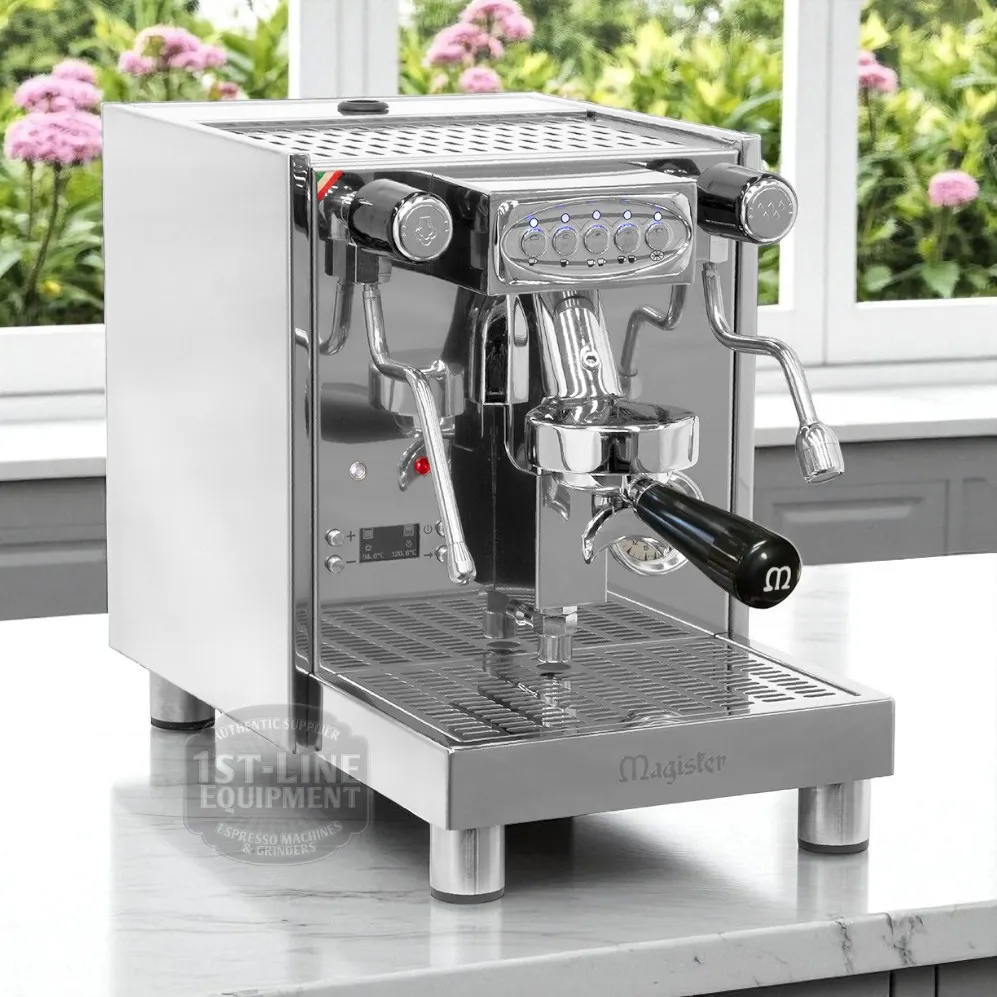
Magister Stella ES Dual Boiler Espresso Machine
Is the espresso machine vacuum breaker noise normal?
A single loud pop from the vacuum breaker valve during the first 20 minutes of warmup is normal operation. The espresso machine vacuum breaker noise signals a critical safety function, not a malfunction. Owners who ignore persistent variations of this sound risk undetected component wear that escalates into costly repairs.
The vacuum breaker valve serves one purpose. It opens as the boiler cools to prevent a vacuum lock that could damage internal seals. When the machine heats again, steam pressure forces the valve shut. That closure produces an audible pop. A discussion on Home-Barista.com confirms that a Quick Mill Rubino owner experienced this exact behavior, noting the machine operated perfectly despite the random loud bang during warmup. The owner stated the machine was not affected in terms of operation.
How long should the popping noise last?
The pop occurs once, typically within 15 minutes of powering on. After the valve seals, the sound stops completely. Any espresso machine making clicking noise heating up that continues past the full warm-up cycle indicates a problem.
What if the noise continues after warmup?
Continuous hissing or chattering points to a dirty or worn valve seat. Mineral deposits prevent a tight seal. Home-Barista.com identifies limescale buildup around the heating element as one possible cause of banging and crackling sounds. Left unaddressed, steam leakage degrades internal wiring and electronic components over time.
For owners requiring vacuum breaker valve service, 1st-line Equipment provides When Not to Descale Your Espresso Machine guidance the company represents. The company also supplies technical diagrams and replacement components to support maintenance. Addressing a failing valve promptly restores quiet operation and protects the machine’s long-term reliability.
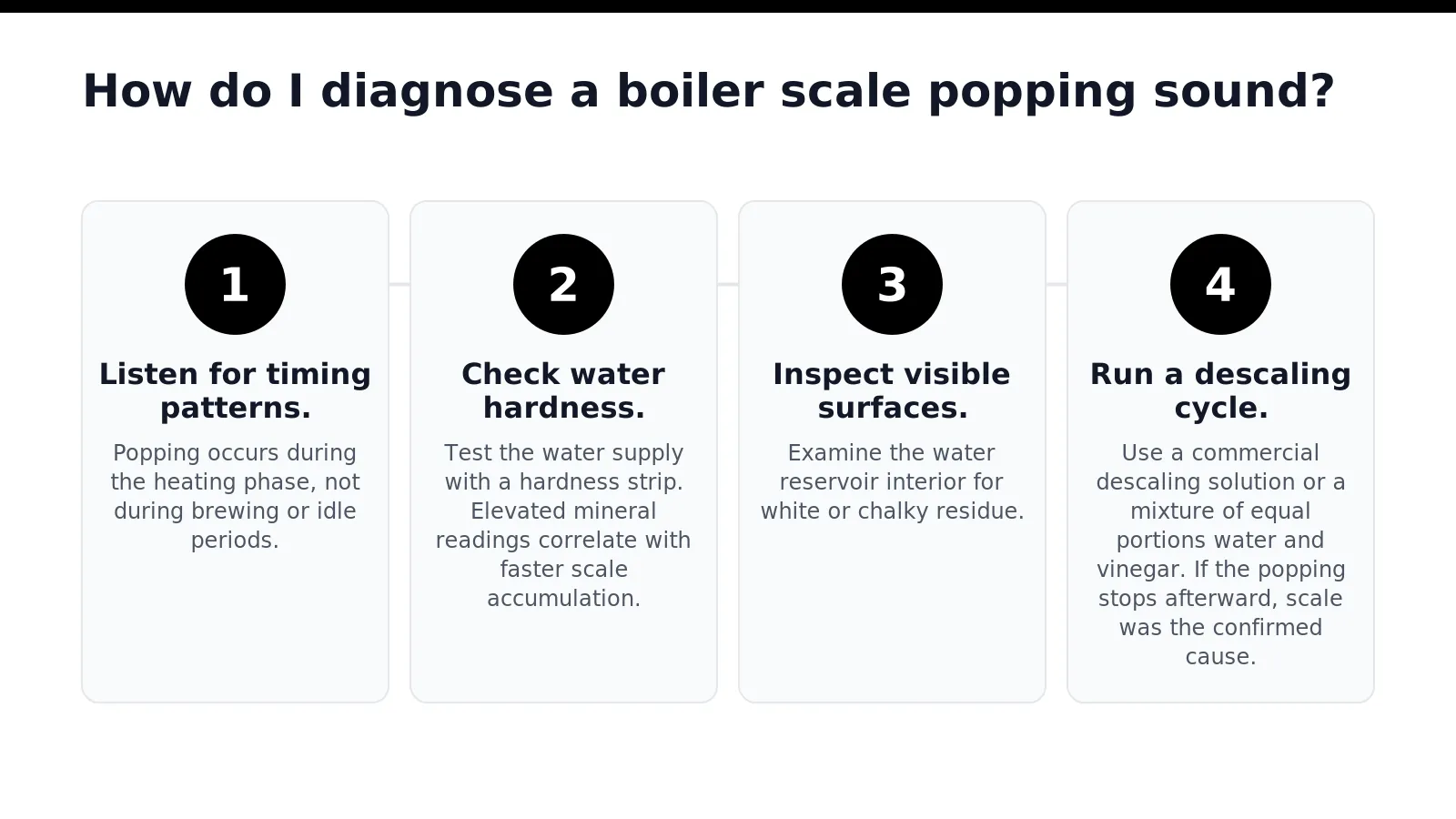
How do I diagnose a boiler scale popping sound?
A boiler scale popping sound originates from mineral deposits on the heating element. Scale buildup creates hot spots that flash trapped moisture to steam, producing the characteristic crackling noise. Ohio Scientific Coffee Equipment identifies the heating element as one of the most common areas for scaling issues.
Diagnosis follows a systematic sequence. Each step isolates a specific variable before moving to the next.
What causes the popping noise during warm-up?
Hard water accelerates scale formation inside the boiler. Water mineral content varies by geographic region, and untreated hard water deposits calcium and magnesium onto heating surfaces over time. These deposits insulate portions of the element unevenly. The resulting temperature differential causes localized boiling, which manifests as an intermittent espresso machine popping noise during the heating cycle.
How do I confirm scale is the source?
Follow these numbered steps to verify scale buildup as the cause:
Listen for timing patterns. Popping occurs during the heating phase, not during brewing or idle periods.
Check water hardness. Test the water supply with a hardness strip. Elevated mineral readings correlate with faster scale accumulation.
Inspect visible surfaces. Examine the water reservoir interior for white or chalky residue.
Soften your water. Select an in-tank or plumbed water softener appropriate for your machine.
Run a descaling cycle. Use a commercial descaling solution or a mixture of equal portions water and vinegar. If the popping stops afterward, scale was the confirmed cause.
What maintenance prevents recurrence?
Treated or filtered water reduces the frequency of scale-related popping. 1st-line Equipment supplies cleaning agents and water treatment solutions specifically formulated for espresso machine maintenance. Regular descaling intervals, matched to local water hardness, keep the heating element free of insulating deposits.
What causes an espresso machine making clicking noise heating up?
An espresso machine making clicking noise heating up typically produces these sounds from normal thermal expansion of internal metal components. Stainless steel boiler shells and brass brew group elements expand at different rates as temperatures rise from ambient to approximately 200°F, creating audible ticks and clicks. Owners who dismiss these sounds as harmless without verification risk overlooking early warning signs of component fatigue or electrical faults.
Is a clicking sound during warmup normal or a sign of damage?
Most single clicks during the initial heating cycle represent routine operation. The espresso machine warm up noises that accompany the first 15 minutes of power-on stem from metal expansion. This thermal clicking can persist through the full warm-up period. A discussion on the Coffeetime forum documented this phenomenon in an ECM Technika Profi PID. A tapping sound emerged during heat-up without affecting machine performance. The E61 grouphead, standard on machines like the Rocket Appartamento, contains internal water passages that expand and contract, producing audible clicks as the assembly reaches thermal equilibrium.
Multiple rapid clicks, however, signal a different condition. A single click often indicates a relay or heating element cycling on. Repeated clicking points toward a faulty pressurestat or a malfunctioning PID controller. The Home-Barista community notes that limescale buildup around the heating element can also generate crackling and banging sounds during warmup, distinct from the rhythmic tick of normal expansion.
How can an owner distinguish thermal clicking from a failing component?
Three characteristics separate benign expansion clicks from mechanical problems:
Frequency pattern: Thermal clicks occur sporadically during the first 10 minutes. Electrical faults produce rapid, repetitive clicking at consistent intervals.
Sound location: Expansion sounds originate from the boiler and grouphead area. Relay clicks come from the control box or beneath the drip tray.
Performance impact: Normal clicking never affects brew pressure or temperature stability. Faulty components cause fluctuating gauge readings or interrupted heating cycles.
1st-line Equipment provides online technical support to help owners distinguish normal thermal clicking from component failure. The company’s technical resources and repair services assist clients in diagnosing whether a boiler scale popping sound requires descaling or indicates a deeper electrical issue. Without professional evaluation, a persistent clicking pattern that intensifies over weeks may precede pressurestat failure, leaving the machine unable to maintain brew temperature.
When should I worry about espresso machine warm up noises?
A single pop or click during the heating cycle is normal. Repeated banging, continuous hissing, or grinding sounds warrant investigation. Most espresso machine warm up noises stem from thermal expansion or pressure valve operation. A Quick Mill Rubino owner reported a loud bang occurring randomly within 2 to 3 minutes of startup, yet the machine continued operating correctly. That intermittent pattern points to a vacuum breaker snapping shut rather than a mechanical failure.
Is a loud bang during heating a serious problem?
A loud bang accompanied by steam escaping from the boiler relief valve signals overpressure. This condition requires immediate attention. Limescale buildup around the heating element causes banging and crackling sounds, as documented on Home-Barista. The boiler scale popping sound occurs when mineral deposits trap water against the element, creating localized steam explosions. Left unaddressed, scale accumulation reduces heating efficiency and stresses internal seals.
What does continuous hissing after warmup indicate?
Continuous hissing from the vacuum breaker after the machine reaches temperature indicates the valve is not sealing. The espresso machine vacuum breaker noise should stop once steam pressure closes the valve. Persistent hissing means the seal has failed or debris prevents proper closure. An espresso machine making clicking noise heating up repeatedly, rather than once, suggests a relay or pressurestat cycling abnormally.
1st-line Equipment provides repair services for its customers at their Freehold, Nj facility. Professional diagnosis of abnormal warmup sounds prevents minor valve issues from becoming boiler failures.
FAQ
What causes the popping noise when my espresso machine warms up?
Thermal expansion of metal components or trapped air in the boiler produces the popping sound. The noise occurs randomly within the first 20 minutes of heating and does not indicate a functional defect.
Is the vacuum breaker popping sound normal?
The sound signals a critical safety function, not a malfunction.
How does scale buildup create a popping noise?
When the element fires, trapped steam escapes violently, creating a boiler scale popping sound.
Conclusion
A popping noise during warmup requires the owner to distinguish between normal thermal expansion and scale-related steam explosions. Observing the frequency, location, and performance impact of the sound determines whether a descaling cycle resolves the issue or a professional diagnosis is necessary. Persistent banging or hissing signals component fatigue that, left unaddressed, escalates into boiler failure.